Mark Koster
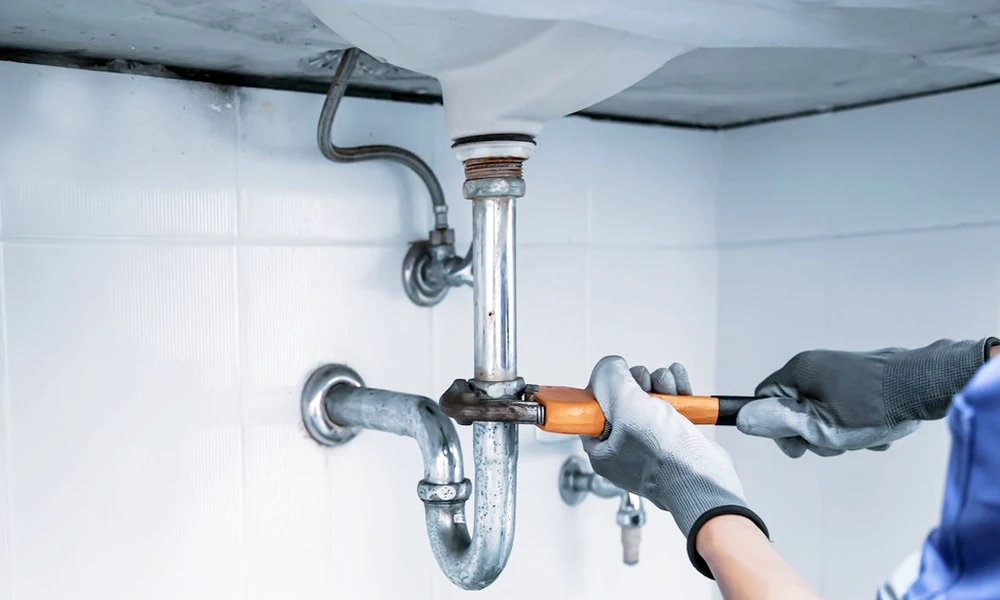
 For most of the last century, fixing a house’s plumbing meant opening something up to see what was wrong. Drywall came down around a damp spot, a yard got trenched to reach a sewer line, and a dead water heater was swapped for the same model in the same corner. Across metro Atlanta, where many subdivisions date from the 1980s and 1990s and plenty of older homes in Decatur, Tucker and Brookhaven still run on cast iron or clay, that approach left a lot of collateral damage. The tools and the rules have since changed, and so has the order of the work: measure first, cut second, and only where the evidence points.
That shift is exactly why homeowners from Duluth to Johns Creek and up into Forsyth County call All Pro Residential when a plumbing problem refuses to explain itself. The team answers around the clock and handles the full range of residential work, from leak detection and pipe repair to sewer repair, drain cleaning, water heater and water tank service, and new shower, faucet and outdoor plumbing installs, with a focus on finding the actual cause before anything gets torn out. If something in your house is running, dripping or backing up and you want a clear answer instead of a guess, a call is the place to start.
Finding a leak you cannot see
Then: A plumber followed the stain, cut an inspection hole, and kept cutting until the wet pipe turned up. In a two story Gwinnett home with a bathroom above the kitchen, that could mean three or four holes in a finished ceiling before the source showed itself.
Now: The search starts at the meter and works inward. Isolating the house in zones and watching pressure tells a technician whether the loss is on the supply side, the hot side or the irrigation line. Acoustic listening equipment picks up the hiss of water escaping under pressure, and thermal imaging shows the cool bloom of a wet wall or the warm trail of a hot water line leaking into a slab. The opening that finally gets cut is usually one small patch.
Why it matters: Hidden leaks are more common than most people think. The EPA’s Fix a Leak Week guidance puts the average household’s leaks at more than 9,300 gallons a year, and notes that a family of four using more than 12,000 gallons a month in winter probably has a serious leak somewhere. Winter is the tell in Georgia, because irrigation is off and the bill should drop.
Looking inside the sewer line
Then: A backup meant rodding the line, and a second backup meant digging. The trench usually ran from the foundation to the street, taking landscaping, a section of driveway, and sometimes a mature tree with it.
Now: A camera goes in first. Red clay that swells and shrinks with Georgia’s wet winters and dry late summers shifts older pipe joints, and water oak and pine roots find those gaps fast. The camera shows whether the problem is roots, a sag holding standing water, a cracked hub on cast iron, or a collapsed section, and a locator marks its exact depth and position on the surface. Many damaged laterals can then be relined or replaced by pipe bursting through two small access pits instead of a full trench.
Locally: Homes on sloped lots in Roswell and Sandy Springs often have long laterals, which makes the camera even more valuable. Paying to dig a hundred feet of yard to fix a twenty foot problem is the old way’s biggest hidden cost.
Clearing a stubborn drain
Then: A cable machine punched a hole through the clog, the sink drained, and the same blockage came back in a few months because the grease and scale lining the pipe never left.
Now: For a recurring clog, the better sequence is camera, then cleaning method matched to what is actually in the pipe. Hydro jetting scours the full diameter of the line and is far more effective on kitchen grease and root fines than a cable. A cable still has its place for a single hard obstruction close to the fixture, and nobody needs a jetter for a hair clog in a bathroom sink.
Choosing the next water heater
Then: Like for like. Fifty gallon gas tank out, fifty gallon gas tank in, often the same afternoon, and often without anyone thinking about permits.
Now: Replacement is treated as a decision. Gwinnett County’s weekly permit logs are full of water heater swaps, and they even show permits pulled for a two foot spot repair on a water line inside a garage wall, which tells you how routinely the county expects this work to be inspected. Expansion tanks, pressure reducing valves, pans with drains, and proper venting all get checked at that inspection.
The newer option: Heat pump water heaters have become a realistic choice for electric households, especially those with a basement or a roomy garage. According to ENERGY STAR’s heat pump water heater savings figures, a certified unit can save a family of four about $550 a year compared with a standard electric tank. In a humid Georgia basement, the cool, dry air these units exhaust is a side benefit, though they need space, airflow and a condensate drain.
Watching the system between visits
Then: Plumbing was invisible until it failed. The first warning of a burst supply line was water on the floor.
Now: Automatic shutoff valves on the main line can close when they detect a flow pattern that looks like a burst, and inexpensive sensors under a water heater, washer or attic air handler send an alert to a phone. That matters here, where a few hard freezes each winter catch pipes in exterior walls, crawl spaces and attics that rarely see cold. Fixtures matter too: Georgia’s state plumbing code, now built on the 2024 International Plumbing Code with Georgia’s state amendments, continues to define WaterSense listed fixtures, so replacement faucets and showerheads are lower flow than the originals in most older homes.
Where each approach still fits
| Job | Old default | Current default | When the older method still earns its place |
|---|---|---|---|
| Hidden supply leak | Cut and look | Pressure zoning, acoustic and thermal tracing | Leak is already visible behind open framing |
| Sewer backup | Rod, then dig | Camera, locate, then line or burst | Pipe has fully collapsed or lost grade |
| Recurring kitchen clog | Cable machine | Camera, then hydro jetting | Single hard object near the fixture |
| Water heater failure | Same size, same fuel | Sized to the household, permitted, fuel compared | Tight closet with no room for a heat pump unit |
| Freeze protection | Drip the faucets | Shutoff valve, sensors, frost free hose bibs | Short outages in a home without smart controls |
None of this makes the older methods wrong. A cable machine, a trench, or a straight swap can still be the fastest and cheapest answer when the problem is obvious and contained. What has changed is the default: a good diagnosis now costs less than the guesswork it replaces, and in a region of shifting clay, aging subdivisions and the occasional hard freeze, knowing exactly where the water is going is usually the most valuable part of the repair.