Heather Combs
Children streak across vibrant playgrounds, inventing stories, testing limits, and forming friendships. But what turns an ordinary outdoor space into a launchpad for growth and joy? The answer lies in thoughtful design rooted in a deep understanding of how kids play, move, and learn.
What Makes an Outdoor Play Space Effective?
An effective play area is more than swings and slides arranged on rubber surfacing. The magic emerges when each element encourages exploration, adapts to various ages, and sparks a sense of adventure.
Key Characteristics of Successful Play Areas
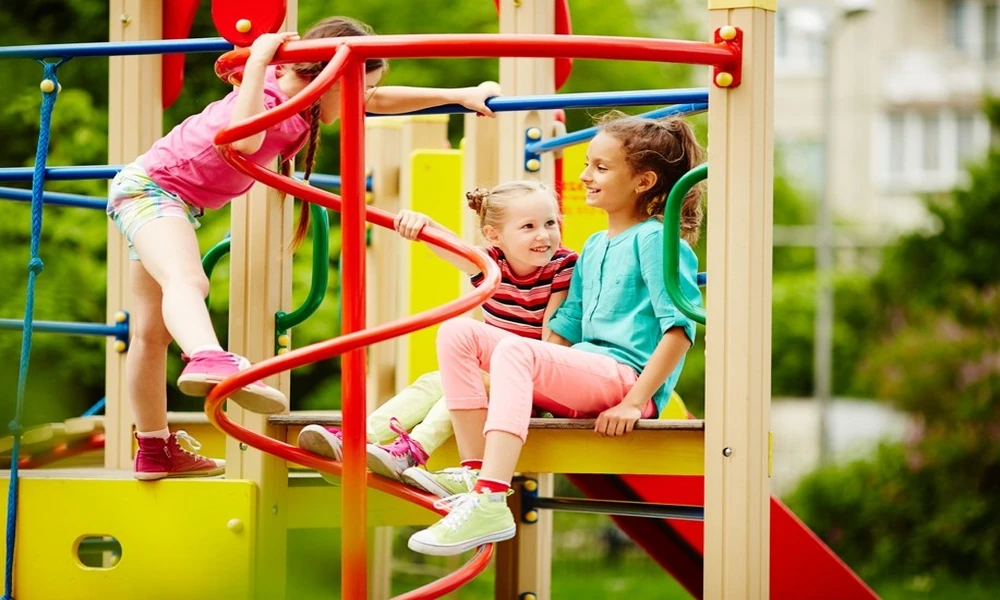
Great playgrounds captivate children with diversity: climbing towers, tactile panels, bridges, and hideaways that invite discovery. Sightlines matter too. Clear visibility allows caregivers to supervise while letting children feel independent. The best-designed spaces also offer zones for noisy play alongside quieter corners, so every child finds a place to belong.
How Outdoor Play Benefits Children’s Development
Outdoor play is essential for childhood. It nurtures physical coordination, builds resilience, and fosters problem-solving. Social skills flourish as children cooperate, negotiate, and invent games together. The open sky and natural light contribute to emotional well-being, sparking creativity and reducing stress.
How Do Design Principles Influence Outdoor Play Spaces?
Translating child development theory into real-world environments requires a nuanced approach. It is a balancing act: challenge versus safety, freedom versus guidance.
Balance Between Safety and Challenge
Children need risk to grow. Yet, safety standards must be rigorously met. The sweet spot? Design features that feel daring, a rope bridge, a climbing net, a spinning disk, but are engineered to minimize harm. Surfaces cushion falls, and equipment heights are calculated precisely. The result is a space where children can test their abilities, learn boundaries, and build confidence.
Encouraging Creativity Through Open-Ended Play
Fixed-function equipment has its place, but open-ended structures invite imagination. Loose parts, abstract shapes, and modular units let children transform a tunnel into a spaceship or a boulder into a pirate ship. This freedom fuels creativity, and designers who embrace it see play shift from repetition to invention.
Accessibility and Inclusivity Considerations
No child should feel excluded. Ramps, sensory panels, wide pathways, and communication boards help children of all abilities participate. Accessible design is not merely a checklist; it is a commitment to equity, ensuring everyone experiences the joy of play.
What Role Does Nature-Inspired Design Play?
Natural elements do more than decorate. They can be a central part of play itself.
Integrating Natural Elements into Play Structures
Sand, water, logs, and boulders bring unpredictable textures and experiences. Nature-inspired features can transform a playground into a miniature landscape, fostering curiosity about the world. When equipment is shaped like trees or animals, children connect more deeply with their surroundings.
Benefits of Biophilic Design for Kids’ Wellbeing
Research shows that contact with nature improves focus, lowers anxiety, and boosts mood in children. Playgrounds that blend greenery, wood tones, and organic forms evoke these benefits, turning playtime into a daily dose of nature.
How Can Play Equipment Foster Physical Agility and Social Skills?
Movement is the heartbeat of any play space. Equipment should challenge balance, coordination, and strength, while also creating opportunities for collaboration.
Types of Equipment That Promote Movement and Coordination
Modern playgrounds feature multi-level structures, balance beams, climbing nets, and agility courses. These elements encourage kids to test their limits, building physical confidence with every jump, swing, and climb.
Designing Spaces to Encourage Group Interaction
Playgrounds thrive on social energy. Group spinners, seesaws, and cooperative games invite teamwork. Spaces that mix ages and abilities, rather than segregate them, promote empathy and mentorship among children.
How Is Accessibility Addressed in Outdoor Play Spaces?
Designing for all abilities is not optional; it is a legal and ethical imperative.
Understanding Legal Requirements and Standards (e.g., AODA)
In Ontario, the Accessibility for Ontarians with Disabilities Act (AODA) sets clear standards for accessible playgrounds. Features must be reachable, usable, and safe for everyone, regardless of ability. This includes accessible routes, ground-level play activities, and adaptive equipment.
Creating Inclusive Environments for Children of All Abilities
A truly inclusive playground does not highlight differences. Instead, it weaves accessible features into the fabric of the design, making every child feel welcome. Tools like Inspire Play children playground equipment exemplify this approach, offering customizable solutions that balance creativity, accessibility, and fun.
What Materials and Finishes Are Best for Durability and Safety?
Play spaces contend with sun, rain, snow, and constant use. Material choice is critical.
Choosing Weather-Resistant and Non-Toxic Materials
Stainless steel, powder-coated metals, and high-density polyethylene stand up to the elements without splintering or rusting. Non-toxic finishes ensure that surfaces are safe for little hands and mouths, an often-overlooked detail in material selection.
Maintenance Considerations for Longevity
Durability is not just about the initial installation. Choosing easy-to-clean materials and planning for routine inspections keeps playgrounds safe and inviting year after year.
How Does Theming and Aesthetic Design Impact Engagement?
Aesthetics are never superficial in play design. Themes can ignite imagination and foster deeper engagement.
Using Themes to Stimulate Imagination
Knights and castles, rainforest trails, or underwater worlds, creative themes transport children into new realms. Theming should flow naturally with the equipment’s function, enhancing rather than distracting from active play.
Balancing Visual Appeal with Functional Play
While visual charm draws families in, the true test of a theme is how it supports movement, exploration, and socializing. The most effective designs marry form and function seamlessly.
What Are Best Practices for Shade and Comfort in Play Areas?
Comfort ensures kids linger and thrive outdoors, especially during summer’s peak.
Designing for Sun Protection Without Limiting Play
Integrated shade structures, colorful sails, canopies, or strategically planted trees, provide relief from the sun. Well-placed shade never interferes with climbing, running, or imaginative play.
Incorporating Rest Zones and Seating Options
Rest is part of play too. Benches, picnic tables, and quiet corners let children and caregivers recharge, making the playground a welcoming destination for everyone.
An effective outdoor play space isn’t accidental. It is a thoughtful blend of challenge, inclusivity, natural elements, and enduring materials. When these design principles work in harmony, the result is more than a playground. It is a foundation for healthy, joyful childhoods.