Heather Combs
 Your child says a tooth feels stuck, and suddenly something that should be simple starts to feel off. Maybe the baby tooth has been loose for weeks, maybe the adult tooth is already peeking in behind it, or maybe your child winces when they try to wiggle it. You are not overreacting by paying attention, and if you are searching for an emergency kids dentist in Eagle Rock, CA, it may be time to get a professional opinion. A tooth that does not seem to be moving the way it should can be harmless, but it can also be a sign that the timing, position, or path of eruption needs a closer look.
The short version is this. A pediatric dentist checks whether the tooth is a baby tooth or adult tooth, how loose it really is, whether a permanent tooth is blocked or coming in the wrong place, and whether pain, swelling, or infection is involved. They also look at your child’s bite and jaw growth, because a tooth that feels stuck is sometimes part of a bigger pattern.
A stuck tooth in a child can mean more than slow tooth loss
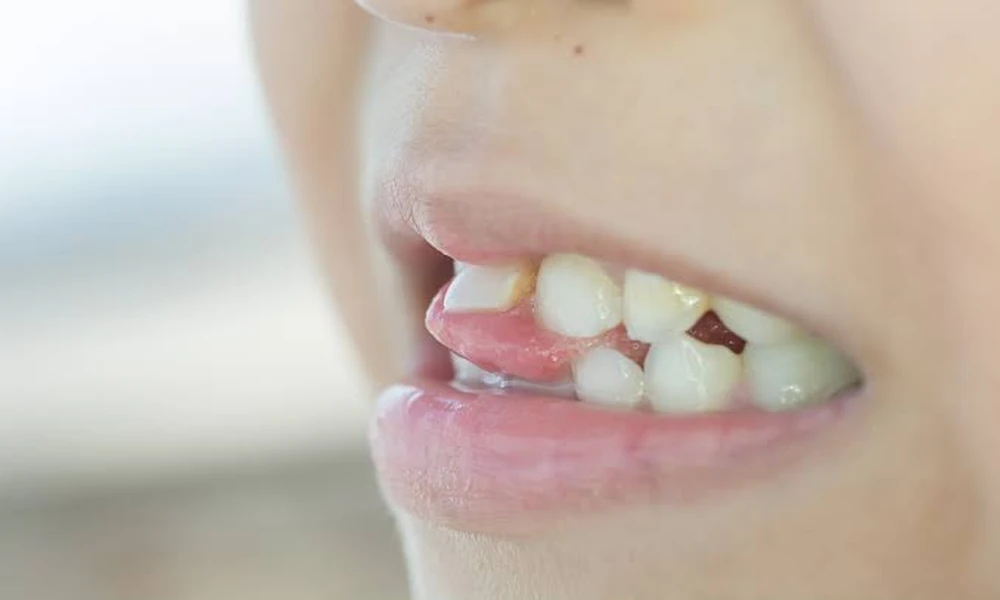
Most kids start losing baby teeth around age 6, though normal timing varies. The process is usually uneven. One tooth falls out right away, another hangs on forever, and that can make it hard to tell what is normal and what is not. The concern grows fast when you can actually see the adult tooth behind the baby tooth. Parents often call these shark teeth, and that image sticks because it looks crowded and wrong.
What a pediatric dentist notices first is whether the baby tooth root is dissolving the way it should. Baby teeth loosen because the adult tooth underneath causes the root to resorb. If that process is delayed, the tooth can feel stuck even when it looks ready to come out. If the adult tooth is angled, blocked, or erupting off course, the baby tooth may stay in place longer than expected.
That is why the exam is not just about whether the tooth needs to be pulled. It is about why it is still there. Guidance from the American Academy of Pediatric Dentistry on developing dentition and occlusion focuses on monitoring eruption patterns, spacing, and alignment early, before a small issue turns into crowding or bite problems.
Pediatric dentists check for pain, swelling, and blocked eruption
When a child says a tooth feels stuck, the description can mean a few different things. Some kids mean it is loose but will not come out. Some mean it feels jammed when they bite. Some mean it hurts to touch, chew, or brush. Those details matter because they point to different causes.
A children’s dentist checking a stuck tooth usually looks for these signs:
Is the tooth truly loose, or is the gum just irritated around it. Is the adult tooth visible under or behind it. Is there swelling, redness, bleeding, bad breath, or a pimple on the gum that could signal infection. Is the tooth discolored from old trauma. Has the child had a fall, a hit to the mouth, or a habit like grinding that changed how the tooth feels.
X rays are often the turning point. They show whether the permanent tooth is present, where it is positioned, how much root remains on the baby tooth, and whether there is enough room for the adult tooth to come in. If your child has pain but the tooth barely moves, the issue may be pressure from eruption, crowding, or a baby tooth that is not resorbing normally.
Parents often wait because they do not want to overdo it. That instinct makes sense. Still, if a tooth has been loose for a long time, the adult tooth is erupting in the wrong spot, or your child avoids chewing on that side, an exam can save a lot of stress.
Home watching and professional care are not the same thing
Some stuck teeth do work themselves out with time, soft foods, and gentle wiggling. Some do not. Trying to force a stubborn tooth at home can tear gum tissue, increase pain, and make a nervous child even more resistant to oral care.
| Situation | Watch at Home | Call a Pediatric Dentist |
|---|---|---|
| Slightly loose baby tooth, no pain | Yes, encourage gentle wiggling and normal brushing | If it stays the same for weeks with no progress |
| Adult tooth erupting behind baby tooth | Brief watchful waiting may be advised in some cases | Yes, especially if the baby tooth is not getting looser |
| Pain, swelling, or trouble chewing | No | Yes, prompt evaluation is best |
| History of injury to the tooth | No | Yes, trauma can affect root resorption and eruption |
| Child is anxious and trying to pull it causes distress | Stop forcing it | Yes, professional removal may be easier and safer |
According to HealthyChildren’s guidance on when children begin to lose baby teeth, timing varies, and many delayed losses are still normal. The difference is whether the tooth is following a healthy pattern. That is what a dentist for stuck baby tooth is trained to judge.
Simple steps help you respond without making it worse
1. Check the pattern, not just the tooth.
Notice how long it has been loose, whether an adult tooth is visible, and whether your child has pain with chewing or brushing. A quick phone note with dates and a photo can help track changes and make the dental visit more useful.
2. Keep the area clean and leave force out of it.
Have your child brush gently and rinse with water after meals. Soft foods can help if the tooth is tender. Do not twist, yank, or tie anything around the tooth. If it is ready, it usually comes out with light pressure. If it is not, forcing it can make a simple eruption issue much harder.
3. Book an exam when the signs point beyond normal.
Schedule a visit if the tooth feels stuck for an extended time, the adult tooth is erupting in an odd position, there is swelling or fever, or your child is in real discomfort. A pediatric dental exam can show whether the right move is watchful waiting, a simple extraction, or monitoring how the permanent tooth develops.
Early evaluation can spare your child more discomfort
You know when something seems off, even if you cannot name it yet. A child saying a tooth feels stuck is often the first clue that eruption is not moving as expected. Sometimes the answer is patience. Sometimes it is a baby tooth that needs help getting out of the way. Either way, getting clear answers tends to lower the stress fast.
If your child has a tooth that feels stuck, painful, or slow to fall out, schedule a visit with a pediatric dentist and get a clear look at what is happening before it turns into a bigger problem.