Dorothy Bell
You brush, you floss when you can, and you still hear at a dental visit that your mouth needs something different from the usual advice. That can feel frustrating fast. A South Ogden dentist can explain why a lot of people assume everyone should follow the same routine and schedule the same cleaning every six months, but mouths do not work that way. Your gums, saliva, bite, fillings, medications, health conditions, and daily habits all change what your teeth need.
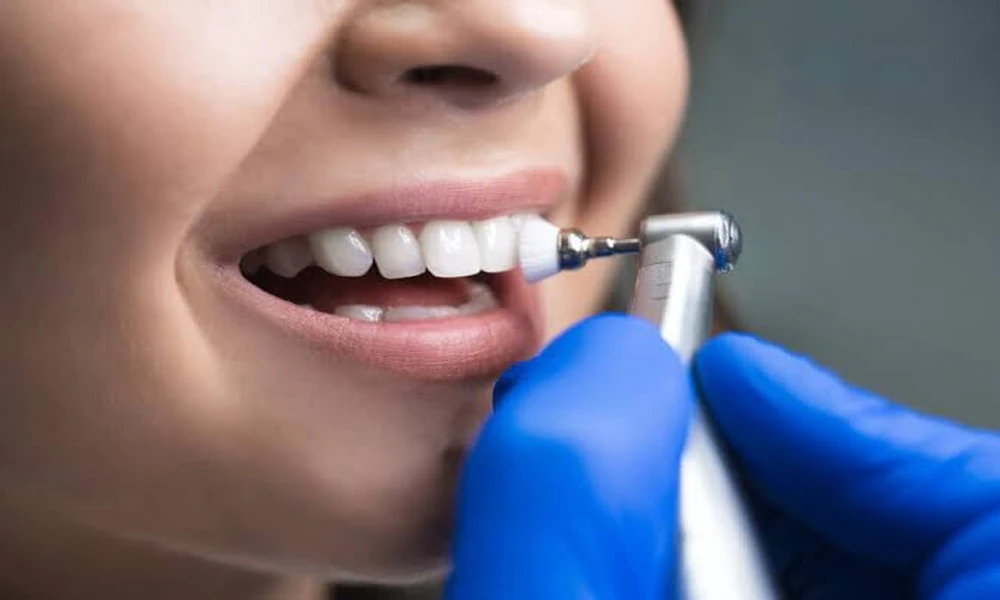
That is the real reason some patients get personalized dental cleaning advice and others do not. One person does well with a standard routine, while another builds plaque quickly, deals with dry mouth, or has early gum disease that needs closer care. A custom dental cleaning plan is not extra fuss. It is a practical response to what is happening in your mouth right now.
Customized cleaning recommendations match your real risk
The biggest difference between patients is risk. Some people are more likely to get cavities. Others are more likely to develop gingivitis or periodontitis. If you have crowded teeth, braces, bridges, implants, or deep gum pockets, plaque has more places to hide. If you take medications that reduce saliva, food and bacteria can stick longer and acids do more damage.
You may have been told for years that brushing twice a day and flossing daily is enough, then life changes. Pregnancy, diabetes, smoking, stress, grinding, and even mouth breathing can shift your oral health in ways you notice only when bleeding starts or sensitivity shows up. The general advice still matters, and the CDC’s oral health tips for adults cover the basics well, but the basics are not always the whole plan.
This is where tailored hygiene advice helps. If your gums bleed easily, your dentist may want more frequent cleanings and gentler tools at home. If you get tartar behind the lower front teeth every time, you may need a different brushing angle or an electric toothbrush. If decay keeps showing up near the gumline, fluoride rinses or prescription toothpaste may make more sense than simply brushing harder.
One standard cleaning schedule does not fit every patient
The six month schedule is common because it works for many people, not because it is the perfect interval for every mouth. Some patients can stay stable with that timing. Others need care every three or four months because plaque hardens quickly, inflammation returns fast, or gum disease is already active.
That difference matters. Gum disease can stay quiet for a while. You may not feel pain, and your teeth may look mostly normal in the mirror, but bleeding, recession, bad breath, and bone loss can keep moving in the background. The National Institute of Dental and Craniofacial Research explains the signs and progression of gum disease, and that is why dentists do not rely on a one size fits all cleaning recommendation.
There is also the opposite problem. Some people hear they need more treatment and assume it is always excessive. Sometimes it is not. If you have healthy gums, low cavity risk, good home care, and no major complicating factors, your recommendations may stay simple. Good dentistry is not about adding more. It is about matching care to need.
Daily home care changes when your mouth changes
Your at home routine should reflect the conditions in your mouth, not a generic checklist. That is why some patients are told to use floss picks, others are told to use interdental brushes, and others do better with a water flosser because of dexterity issues, bridges, or orthodontic work. The right tool is the one you can use well and use often.
If you have sensitive teeth, aggressive brushing can wear enamel and irritate gums. If you have dry mouth, alcohol based rinses may make things worse. If you have crowns or implants, the cleaning method around those areas may need more care. The NIDCR guide to oral hygiene gives solid general guidance, but your dentist may adapt it because your situation is different.
This is why personalized teeth cleaning recommendations often sound more specific than people expect. They are built around your anatomy, your habits, and your risk pattern. That is what makes them useful.
Professional cleanings and home care work differently
| Area | Home Care | Professional Dental Cleaning |
|---|---|---|
| Plaque control | Removes soft plaque daily when done well | Targets missed buildup and reviews problem areas |
| Tartar removal | Cannot remove hardened tartar once it forms | Removes tartar above and, when needed, below the gumline |
| Gum health monitoring | Bleeding may be noticed, but depth and attachment loss are hard to track | Measures pockets, inflammation, recession, and bone loss risk |
| Cavity prevention | Helps reduce daily acid and bacteria exposure | Finds early weak spots and adjusts fluoride or recall plan |
| Best use | Daily prevention between visits | Periodic treatment and early detection |
A routine at home cannot replace a professional cleaning, and a cleaning at the office cannot make up for months of ineffective brushing. Both matter. The best results come when your general dentist adjusts each side of the plan to fit the same goal.
Small changes now can prevent bigger treatment later
Track what keeps repeating. If you always hear the same thing at checkups, bleeding gums, tartar behind certain teeth, new cavities near old fillings, pay attention to the pattern. Repeating problems usually mean your current routine is missing something specific.
Ask for tool and technique changes, not just reminders. “Brush and floss more” is too vague to help most people. Ask which brush head, what flossing method, where plaque is collecting, and whether dry mouth, grinding, or crowding is making cleaning harder. Specific advice is easier to follow.
Follow the recall schedule that matches your risk. If your dentist recommends cleanings more often than every six months, ask what risk factor is driving that decision. If the reason is active gum inflammation, heavy tartar buildup, or a medical condition that affects oral health, that schedule may save you from deeper treatment later.
Customized cleaning recommendations protect more than your teeth
When cleaning advice is personalized, it usually feels more manageable, not more complicated. You stop guessing. You know why one area needs extra care, why one product helps, and why your visit schedule may differ from someone else’s. That clarity lowers stress and gives you a better shot at keeping your mouth stable.
If your dentist has recommended something outside the usual routine, there is often a clear reason behind it. A general dentist looks at the whole picture, not just whether your teeth look clean on the surface. The goal is simple. Catch problems early, protect your gums, and give you a routine you can actually keep.
If you have been getting mixed results from a standard routine, schedule a visit and ask for cleaning recommendations based on your specific risk factors, home care habits, and gum health.